Scan QR

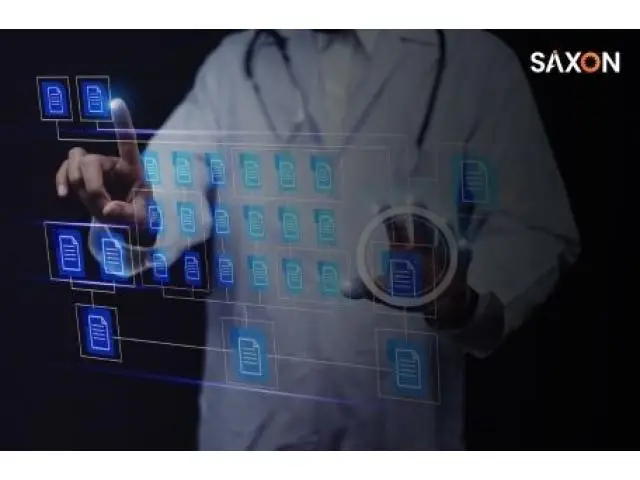
Manually checking batch records takes up a lot of time and often leads to small errors. Basic OCR tools don't fix this problem either, since they only read text without understanding what it means. AI-based document review works in a smarter way. It can notice a missing signature, spot a wrong or mismatched entry, and pick up issues on scanned documents, even when the print is faded or the layout is unusual.
Old OCR systems need someone to step in and adjust things every time a new form appears. AI tools are different. They learn from each document and get better on their own over time. This matters a lot for pharma companies, since batch records are closely tied to safety and compliance. A slow or error-prone...
Scan QR
Manually checking batch records takes up a lot of time and often leads to small errors. Basic OCR tools don't fix this problem either, since they only read text without understanding what it means. AI-based document review works in a smarter way. It can notice a missing signature, spot a wrong or mismatched entry, and pick up issues on scanned documents, even when the print is faded or the layout is unusual.
Old OCR systems need someone to step in and adjust things every time a new form appears. AI tools are different. They learn from each document and get better on their own over time. This matters a lot for pharma companies, since batch records are closely tied to safety and compliance. A slow or error-prone review process can create real problems down the line.
For this reason, more pharmaceutical teams are switching to checks driven by AI. Faster reviews, fewer errors, and more seamless audits are the results.





 Loading